
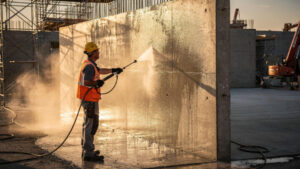
Water blasting is useful for many applications, but not all.
High-pressure water jets are exceptionally effective solutions for heavy-duty industrial cleaning, surface preparation, and stubborn fouling removal. Capable of stripping rust, paint, scale, and severe buildup without damaging sub-surfaces or relying on harmful chemicals, ultra-high-pressure (UHP) water techniques are essential across modern industrial settings. But despite its tremendous versatility, high-pressure washing is not a universal solution for every surface, material, or environment. Knowing when to avoid deploying hydroblasting equipment is critical in preventing material damage, safety hazards, and costly operation delays.
Delicately Engineered and Fragile Surfaces
One of the primary scenarios where UHP water jetting should be avoided is on delicate or thin structural materials. These industrial water jets utilize extreme pressures—sometimes reaching tens of thousands of PSI—which can easily cut through, warp, or otherwise compromise lightweight components. Even sheet metal, older masonry, soft wood structures, or brittle composites can crumble or dislodge under intense pressure. On these sensitive surfaces, applying high-pressure streams can lead to gouging or complete surface failure rather than controlled cleaning, making non-abrasive or even just lower-pressure alternatives a much safer pick.
Sensitive Electrical Systems and Enclosed Electronics
Water and live electrical infrastructure do not mix. Using high-pressure water around unsealed electrical control panels, electric motors, exposed wiring, or sensitive instrumentation creates the immediate risk of short circuits, equipment destruction, or even life-threatening electrical shocks. It doesn’t matter if the equipment is powered down, either, as moisture intrusion into sealed housing can still lead to severe corrosion and long-term mechanical failure. In such environments, dry vacuuming, soft-wipe cleaning, or specialized non-conductive techniques must replace UHP water blasting.
Hazardous Material and Lead Contaminants
If handling toxic substances such as lead paint, asbestos, or hazardous chemical residue, be aware that high-pressure water streams can spread contamination rather than contain it. Operating hydroblasting equipment on toxic coatings can put dangerous particles into the air or create massive volumes of contaminated wastewater runoff. Without extensive, specialized containment and filtration systems, that contaminated water can get into soil, drainage networks, or adjacent work areas. For hazardous material abatement, chemical stripping or contained vacuum-assisted tools are typically safer and far easier to manage regulatory compliance for.
Confined Spaces with Inadequate Drainage or Ventilation
UHP water systems operated within cramped, poorly ventilated, or improperly drained enclosures can introduce significant operational risk. Continuous water application quickly generates high humidity, thick mist, and rising water levels, which drastically reduces visibility and creates slip hazards. Additionally, mist can trap airborne particulates or hazardous fumes within the space, endangering workers. Unless a confined space is engineered with continuous vacuum extraction, adequate exhaust, and structured drainage, deployment of high-pressure washing systems should be avoided.
What Is the Right Industrial Cleaning Strategy?
High-pressure washing might remain an unbeatable method for heavy-duty steel, industrial tanks, or robust concrete structures, but it is critical to evaluate job-site conditions first and prevent major property damage or, worse, safety risks. Selecting the correct technique requires proper site assessment, an understanding of surface tolerances, and proper selection of alternative surface preparation tools. Partnering with an experienced industrial cleaning specialist ensures your facility uses the safest, most effective cleaning methods tailored to your needs.
Contact Jet Blast Inc. Today!
Jet Blast® Industrial Services strives every day to provide our customers with the best service and equipment possible. Providing a safe and stable workplace has allowed us to keep a team of quality people, with most having a tenure of 15 – 25 years with Jet Blast®. With all that experience under one roof, we have been able to provide reliable 24-hour service since 1979. I believe this helps to set us apart from the competition.
Compare us! Let us make your job easier. If you’re located in Maryland, Pennsylvania, Delaware, Northern Virginia, or Washington, D.C., contact us by email at [email protected], call us at 410-636-0730, or fax us at 410-789-3907, and don’t forget to keep in touch with us on Facebook!